
Ice Bank Systems
Ice accumulation and thermal storage systems that generate and store cooling capacity during off-peak periods for discharge during peak demand. Enabling smaller refrigeration plants, lower energy tariffs, and managed peak loads.
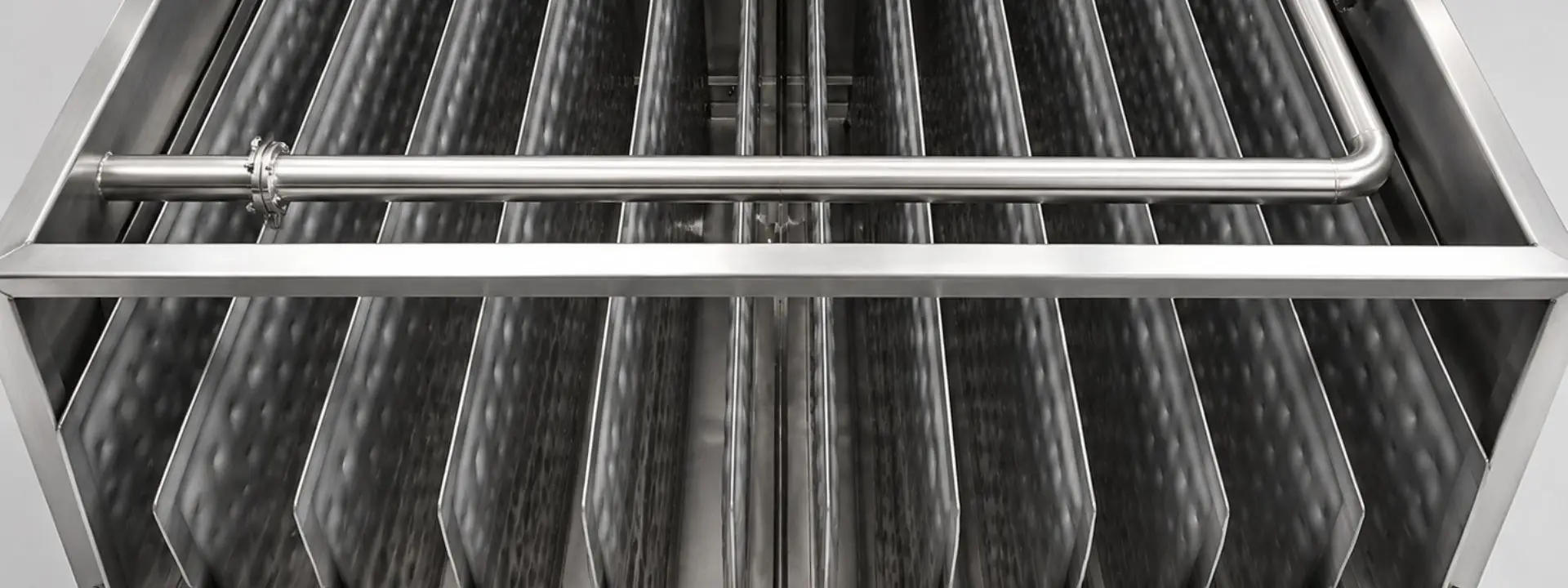
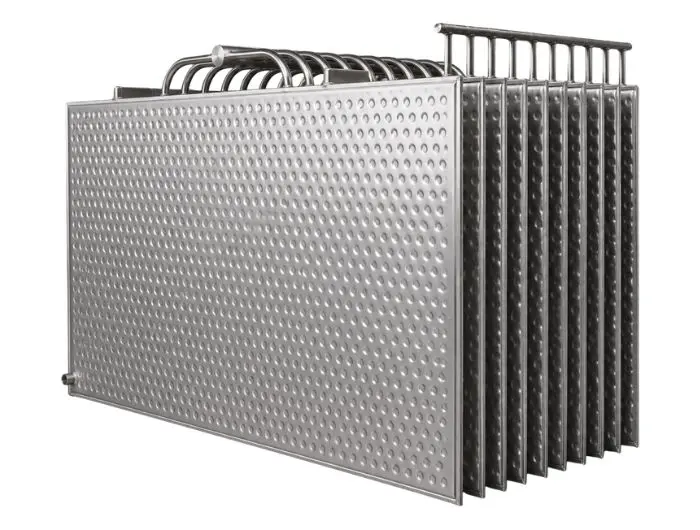
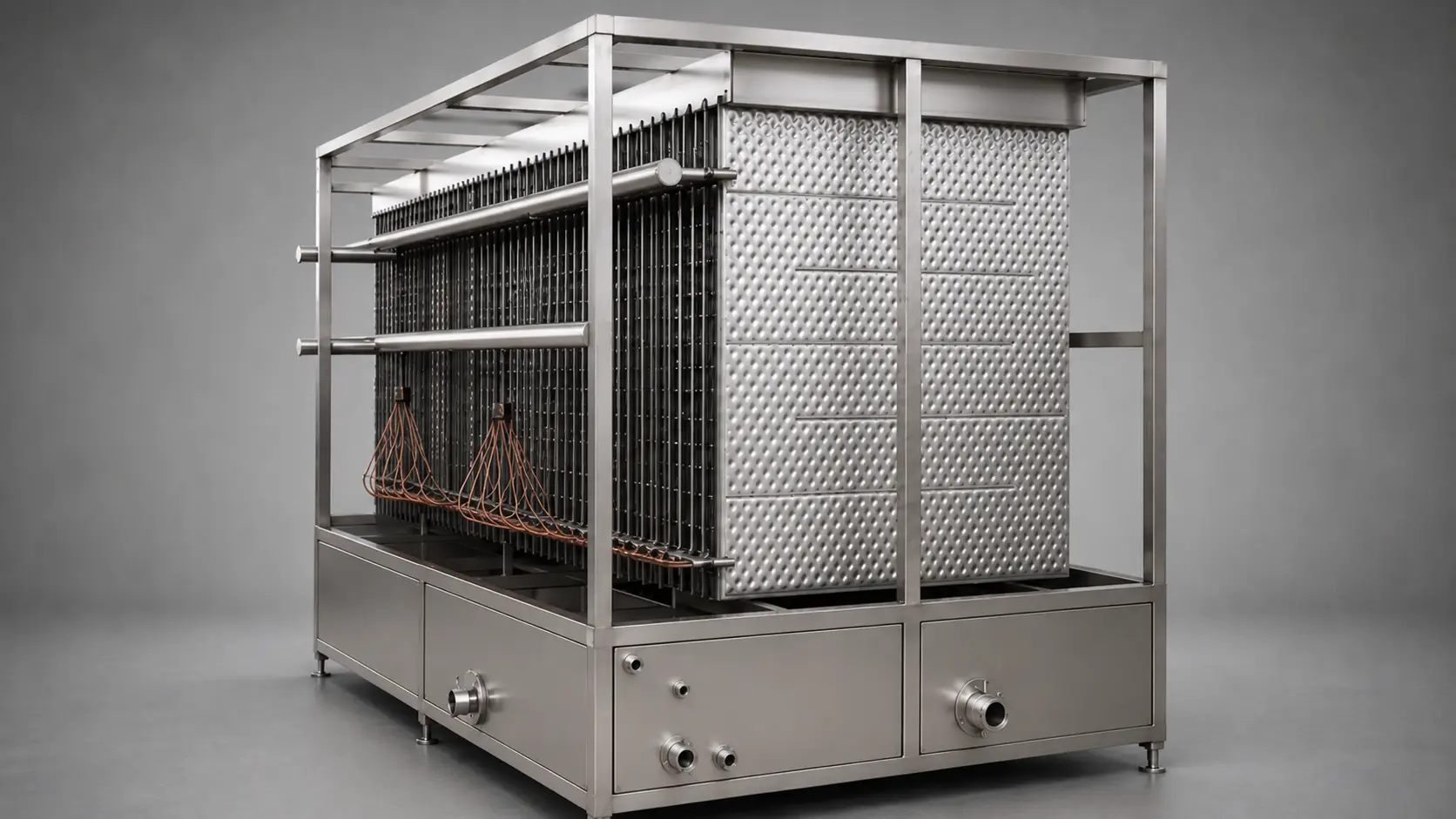
An ice bank system consists of an insulated storage tank containing water and a submerged refrigerant plate or immersion heat exchanger. During off-peak hours, the refrigeration system runs to build up a layer of ice on the plate surface — storing thermal energy as latent heat.
When process cooling demand arises — particularly during peak electricity tariff hours or at times exceeding the continuous refrigeration plant capacity — the stored ice melts, releasing the accumulated cooling energy. The water chilled through ice melting is circulated to the process, supplementing or replacing the running refrigeration plant output.
The economic benefit is significant: a smaller refrigeration plant running at full capacity for 16–20 hours generates and stores cooling equal to a larger plant running only during peak hours. Calvion designs ice bank systems with precise ice volume calculations, optimised geometry, and controlled discharge rates for each application.
Why Ice Bank Systems
Reduced Refrigeration Plant Size
Off-peak storage allows the refrigeration plant to be sized for average load rather than peak demand — potentially halving compressor capacity and capital investment while meeting the same process requirement.
Lower Energy Tariff Utilisation
Running refrigeration compressors during off-peak tariff hours (night rates, TOD pricing) to generate stored cooling reduces electrical energy costs — particularly significant for energy-intensive dairy and food facilities.
Peak Demand Surges Handled
Process upsets, incoming raw material surges, or simultaneous cooling demands can exceed installed refrigeration capacity. Ice bank discharge bridges these peaks without requiring additional compressor capacity.
Refrigeration Plant Backup
During compressor maintenance, refrigerant servicing, or short power interruptions, the ice bank provides cooling continuity — protecting time-sensitive process batches and product quality.
Stable Discharge Temperature
Ice melting occurs at a fixed thermodynamic point (0°C) — resulting in exceptionally stable discharge water temperature. This consistency is valuable for processes requiring precise, unwavering chilled water temperatures.
Dairy Milk Cooling Integration
Specifically suited to dairy collection centres where milk arrives in batches at unpredictable intervals. The ice bank absorbs thermal load from each batch without requiring continuous refrigeration plant operation.
Sectors Served
Design Your Ice Bank System
Share your peak cooling duty, batch volumes, available generation hours, and process temperatures. We will calculate the thermal storage volume and refrigeration plant sizing.